Security and Fire Detection in Anchorage, AK Built for Alaska Conditions
Power & Light Alaska designs, installs, and services security and fire detection systems for homes and businesses throughout Anchorage. A system that works in the Lower 48 does not always hold up through eight months of heating season, subzero garages, seismic activity, and long stretches of winter darkness. Our security and fire detection work starts with the electrical side of the job: correct circuits, proper low-voltage wiring, reliable backup power, and device placement that matches how Anchorage buildings are actually used. From a single-family home in South Anchorage to a multi-tenant commercial building in Midtown, we build security and fire detection systems that alert the right people at the right time and stay compliant with locally adopted fire and building codes.
Schedule Your Security and Fire Detection Assessment in Anchorage Today
What Security and Fire Detection Includes for Anchorage Properties
Security and fire detection covers every device and connection that senses a threat, signals an alarm, and communicates that alarm to occupants or a monitoring center. We treat these as one coordinated system rather than separate products, because a fire panel, an intrusion alarm, and a camera system often share power, wiring paths, and communication lines.
Fire Alarm Control Panels and Initiating Devices
The fire alarm control panel is the brain of any commercial security and fire detection system. We install and program addressable and conventional panels, connect pull stations, waterflow switches, and duct detectors, and wire notification appliances such as horns and strobes so every zone of the building receives a clear audible and visual alert.
Smoke, Heat, and Carbon Monoxide Detection
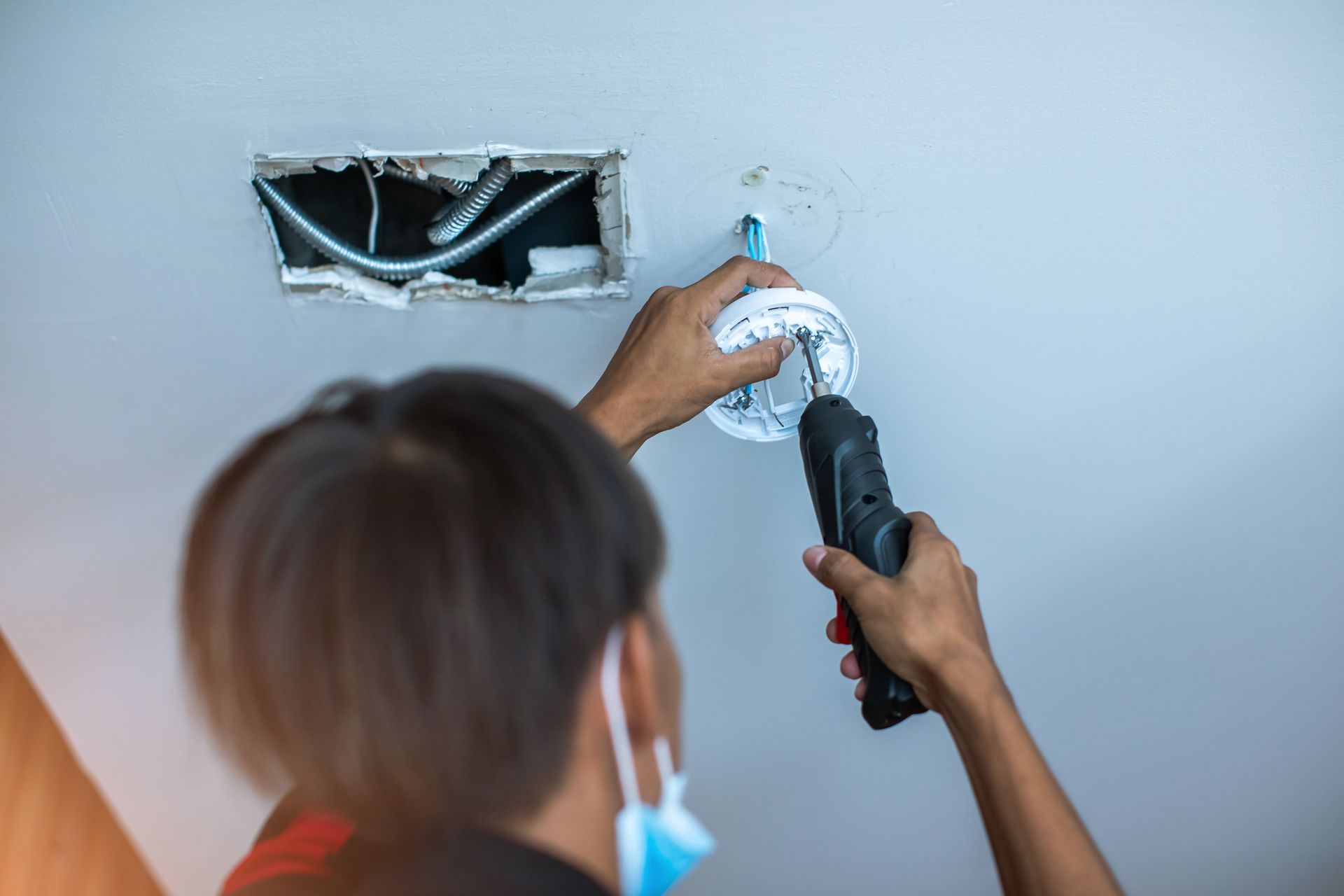
We install hardwired, interconnected smoke alarms with battery backup so that one alarm triggers every alarm in the building. Heat detectors go in spaces where smoke alarms produce nuisance alarms or cannot operate reliably, and carbon monoxide alarms are placed near sleeping areas and fuel-burning appliances.
Intrusion Alarms and Perimeter Sensors
Door contacts, window sensors, glass-break detectors, and motion sensors form the intrusion side of security and fire detection. We position each sensor to cover real entry points while reducing false triggers from pets, heating vents, and snow movement outside windows.
Video Surveillance and Access Control
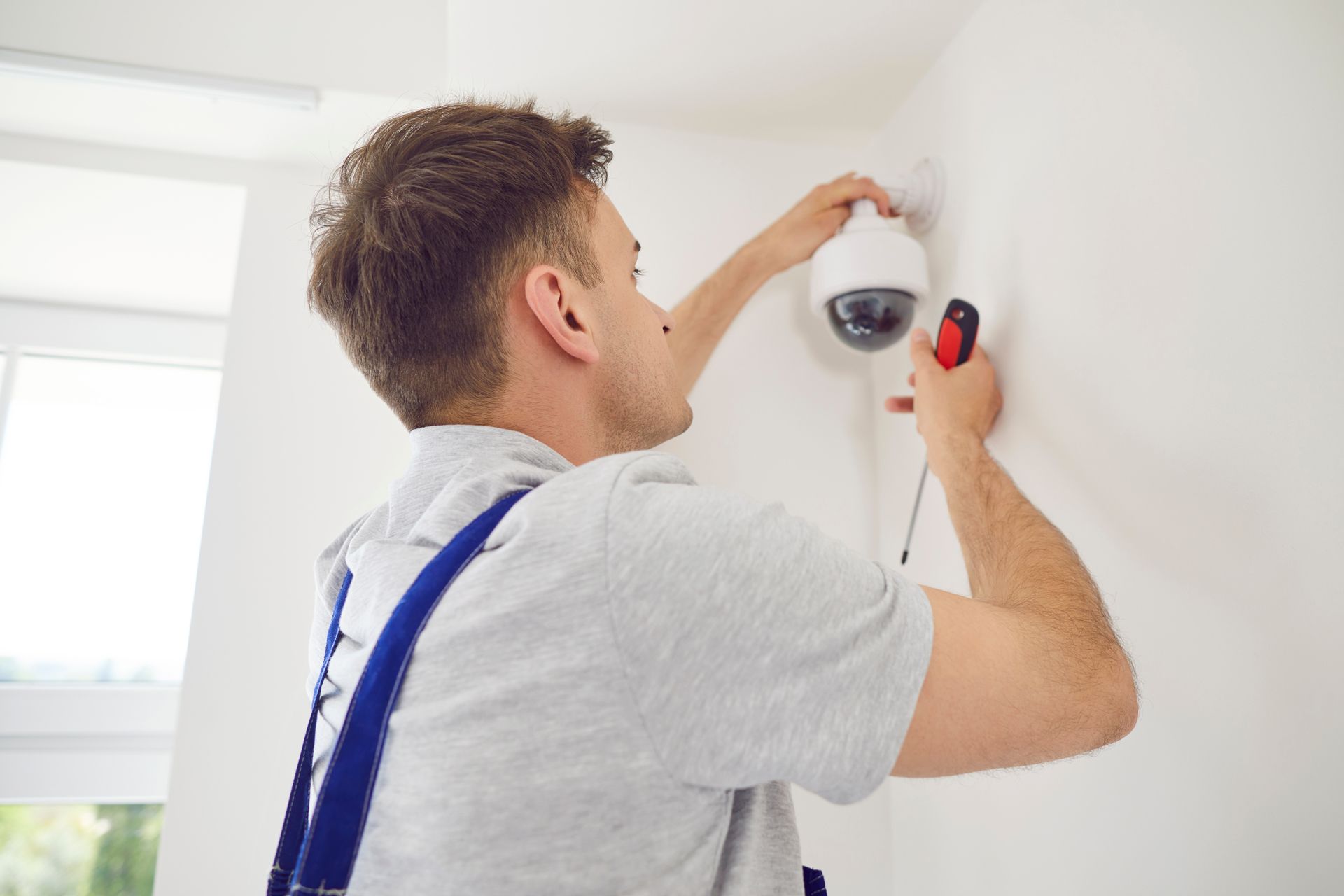
Camera systems and keyless access control round out a complete security and fire detection package. We run dedicated low-voltage cabling, install cold-rated exterior cameras, and wire electronic locks and card readers so access events and video can be reviewed together.
Why Security and Fire Detection Requirements Are Different in Anchorage
Local conditions shape nearly every decision we make on a security and fire detection installation. Ignoring them is the most common reason systems fail, false alarm, or stop communicating in the middle of winter.
Extended Heating Season and Carbon Monoxide Risk
Furnaces, boilers, and fuel-fired water heaters run most of the year in Anchorage, and tightly sealed homes hold combustion gases longer when something goes wrong. Alaska requires carbon monoxide alarms in many dwellings with fuel-burning appliances or attached garages, which makes CO detection a core part of residential security and fire detection here rather than an add-on.
Seismic Activity and Device Mounting
Anchorage sits in one of the most seismically active regions in North America. We secure panels, batteries, and enclosures with proper fastening so a strong earthquake does not knock a control panel off the wall or disconnect the power supply that keeps your security and fire detection system online.
Cold Garages, Arctic Entries, and Unheated Spaces
Most standard smoke alarms are rated for a limited temperature range and can fail or false alarm in unheated garages, crawlspaces, and storage areas. We specify heat detectors and cold-rated devices for these locations so your security and fire detection coverage extends to the spaces where vehicle exhaust, space heaters, and stored fuel create real fire risk.
Long Winter Darkness and Exterior Security
With limited daylight for much of the winter, exterior cameras need low-light capability, and motion-activated lighting needs to be wired to work with your security system. We coordinate lighting circuits and camera placement so entries, driveways, and loading areas stay visible around the clock.
Commercial and Multi-Tenant Buildings
Offices, retail spaces, warehouses, and apartment buildings require security and fire detection systems that meet occupancy-specific code requirements. We install fire alarm panels, notification devices, and monitoring connections, and we coordinate with building owners and property managers to keep tenants protected during installation.
Residential and Commercial Security and Fire Detection Installation
Every building has different occupancy, layout, and code requirements, so we plan each security and fire detection project around how the space is used.
Home Security and Fire Detection Systems
For homeowners, we focus on interconnected smoke and CO alarms on every level and in every sleeping area, heat detection in garages, and intrusion sensors on accessible doors and windows. Systems can be connected to professional monitoring or to smartphone alerts so you know what is happening at home while you are at work or traveling.
Commercial and Multi-Tenant Buildings
Offices, retail spaces, warehouses, and apartment buildings require security and fire detection systems that meet occupancy-specific code requirements. We install fire alarm panels, notification devices, and monitoring connections, and we coordinate with building owners and property managers to keep tenants protected during installation.
Code Compliance and Inspection Readiness
Commercial fire alarm work follows NFPA 72 and the fire and building codes adopted by the Municipality of Anchorage. We document device locations, wiring, and programming so your system is ready for the fire marshal's inspection and future maintenance.
Integration With Your Existing Electrical System
Because Power & Light Alaska handles electrical work, we can add dedicated circuits, correct wiring problems discovered during installation, and connect security and fire detection equipment to generators or backup power so alarms keep working during winter outages.
Inspection, Testing, and Maintenance of Security and Fire Detection Systems
A security and fire detection system only protects you if every device still works. Dust, aging sensors, dead backup batteries, and changed floor plans all reduce coverage over time.
Annual Fire Alarm Testing
Commercial fire alarm systems require periodic inspection and testing. We test initiating devices, notification appliances, panel functions, and monitoring communication, then provide records you can keep on file for your insurer and the fire department.
Detector Replacement Schedules
Smoke alarms should be replaced at 10 years, and carbon monoxide alarms typically need replacement every 5 to 10 years depending on the manufacturer. We check manufacture dates during service visits and replace expired devices before they fail.
Troubleshooting False Alarms and Trouble Signals
Frequent false alarms usually point to a device in the wrong location, a failing sensor, or a wiring fault. We trace the cause instead of disabling the device, so your security and fire detection system stays both reliable and trusted by the people in the building.
Upgrading Older Systems
Older conventional panels, battery-only smoke alarms, and analog communicators can be upgraded to addressable panels, interconnected hardwired alarms, and cellular or internet monitoring that works after landline service is discontinued.
FAQs About Security and Fire Detection in Anchorage, AK
What is included in security and fire detection services?
Security and fire detection services include the design, installation, and maintenance of fire alarm panels, smoke detectors, heat detectors, carbon monoxide alarms, intrusion alarms, video surveillance, and access control. In Anchorage, a complete system also accounts for backup power, cold-rated devices, and seismic mounting.
Are carbon monoxide detectors required in Anchorage homes?
Alaska requires carbon monoxide alarms in many dwellings that have fuel-burning appliances or an attached garage. Because most Anchorage homes rely on gas or oil heat for much of the year, CO alarms near sleeping areas are an essential part of residential security and fire detection.
How often should a commercial fire alarm system be inspected in Anchorage?
Commercial fire alarm systems generally require inspection and testing at least once a year under NFPA 72, with some devices tested more often. Your occupancy type and the local fire marshal's requirements determine the exact schedule.
Can smoke detectors be installed in an unheated garage?
Standard smoke alarms are not designed for unheated garages because cold temperatures and vehicle exhaust cause failures and false alarms. A heat detector interconnected with the rest of your security and fire detection system is the correct choice for an Anchorage garage.
How long do smoke detectors last?
Smoke detectors should be replaced every 10 years from the manufacture date printed on the device. Detectors older than that may not respond reliably to smoke, even if the test button still works.
Will my security and fire detection system work during a power outage?
A properly installed security and fire detection system includes battery backup in the control panel and in each hardwired alarm. Systems can also be connected to a standby generator to maintain protection during extended winter outages.
What causes frequent false fire alarms?
False fire alarms are most often caused by detectors installed near kitchens, bathrooms, or heating equipment, by dust buildup, or by aging sensors. Relocating or replacing the affected device usually resolves the problem.
Can security cameras work in Anchorage winter temperatures?
Security cameras rated for extreme cold and equipped with low-light or infrared capability work well in Anchorage winters. Correct mounting and weather-sealed cable connections prevent condensation and ice damage.
Do security and fire detection systems need to be monitored?
Monitoring is required for many commercial fire alarm systems and is strongly recommended for homes. Monitored security and fire detection systems notify a central station, which can dispatch emergency responders even when no one is on site.
Can an older alarm system be upgraded instead of replaced?
Many older systems can be upgraded with new detectors, a modern control panel, or a cellular communicator while reusing existing wiring where it is in good condition. An on-site evaluation determines what can be kept and what needs replacing.
How long does a security and fire detection installation take?
A typical residential security and fire detection installation takes one to two days, while commercial projects vary based on building size, the number of devices, and inspection scheduling.
Does an earthquake affect my fire alarm system?
A strong earthquake can loosen panels, batteries, and detectors that are not properly secured. After significant seismic activity, a system test confirms that every device and communication path is still working.
Call Power & Light Alaska to Schedule Security and Fire Detection Service in Anchorage